


The Glass Atelier
Onchya Operculum - Red Sea
Onchya Operculum - Red Sea
Couldn't load pickup availability
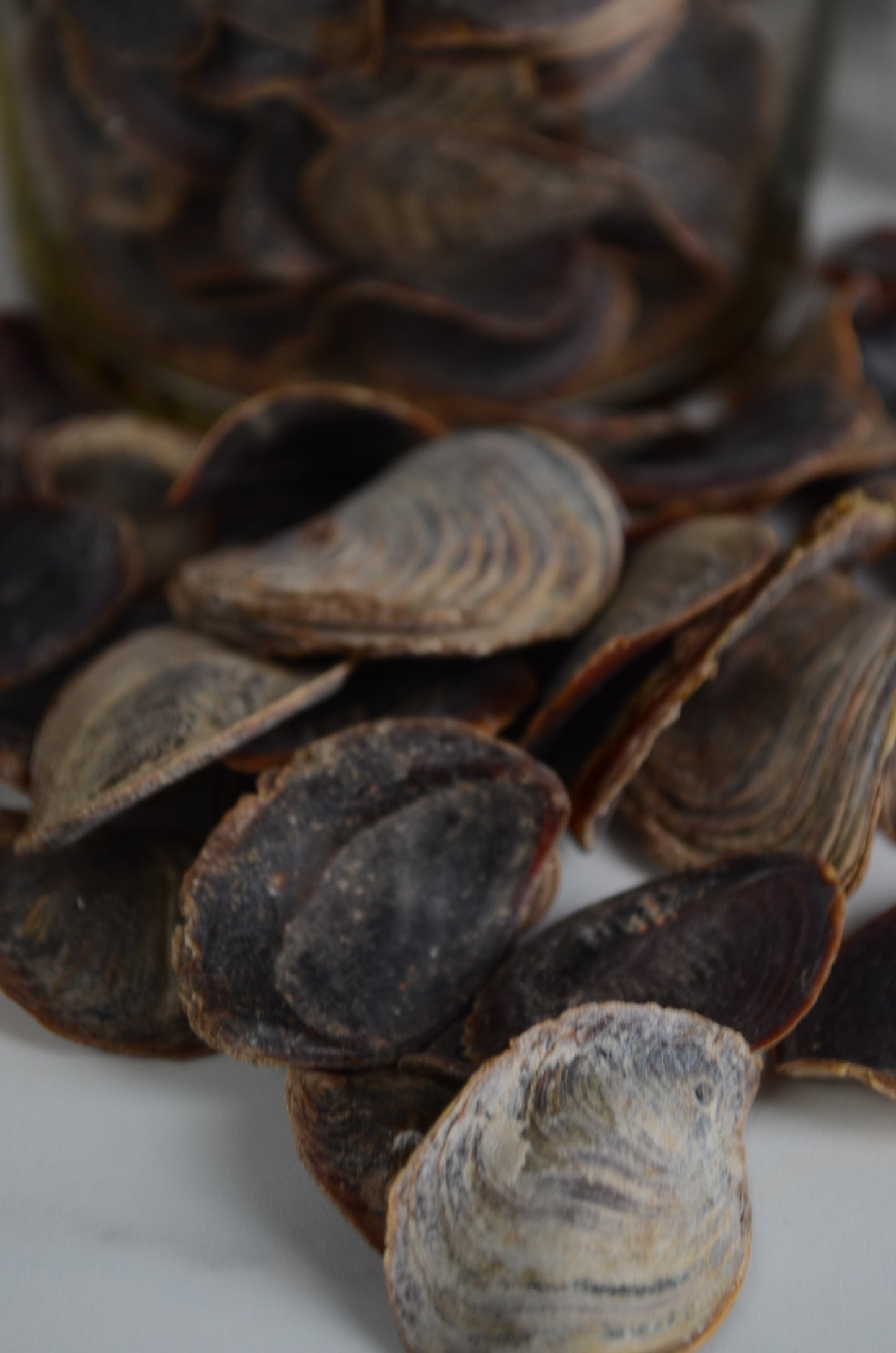
Red Sea Onycha (Operculum)
Origin: Red Sea
Raw material: Marine mollusk operculum
Presentation: Whole operculum for tincturing, maceration or use in traditional incense.
Olfactory description
Onycha is one of the oldest and most mysterious aromatic raw materials in history. Traditionally mentioned among the ingredients of sacred incense used in antiquity, it continues to be a raw material of great interest to perfumers, collectors, and researchers of historical perfumery.
In its raw state, the operculum presents an intense marine aroma with animalic, saline, and slightly phenolic facets. However, its true aromatic potential appears after traditional treatment through tincturing, roasting, or incorporation into incense blends.
Once processed, it develops an extraordinarily complex profile where amber, animalic, balsamic, and slightly musky notes appear. Some perfumers find similarities with certain aspects of ambergris, castoreum, or dark resins, although onycha possesses a completely unique personality.
Its character combines marine, animalic, and resinous influences, creating an aromatic depth difficult to find in other natural raw materials.
Main aromatic facets
- Animalic.
- Marine.
- Saline.
- Ambery.
- Musky.
- Resinous.
- Soft phenolic.
- Balsamic.
- Smoky.
Aromatic evolution
Raw material
- Marine.
- Saline.
- Animalic.
- Mineral.
Processed or tinctured material
- Ambery.
- Musky.
- Balsamic.
- Soft animalic.
- Resinous.
Applications in perfumery and incense
Traditionally used for:
- Historical incenses.
- Kyphi reconstructions.
- Animalic accords.
- Aromatic tinctures.
- Experimental perfumery.
- Study of ancient raw materials.
Combines especially well with:
- Frankincense.
- Myrrh.
- Labdanum.
- Ambergris.
- Civet.
- Castoreum.
- Oud.
- Sandalwood.
- Benzoin.
- Oriental resins.
Technical observations
- Origin: Red Sea.
- State: Natural operculum.
- Color: Dark brown to black.
- Aromatic intensity: Medium raw, high after processing.
- Tenacity: Very high.
Traditionally, it undergoes roasting, grinding, or maceration processes to fully develop its aromatic characteristics.
Interest for the perfumer
Onycha holds a unique place in the history of perfumery and ritual incense. Unlike most current aromatic raw materials, it simultaneously combines marine, animalic, mineral, and resinous facets.
Its main interest lies in its ability to provide depth, mystery, and a historical dimension difficult to reproduce with modern materials.
Historical and collector's material
Originating from the Red Sea, this raw material represents a direct connection to some of the oldest known aromatic traditions. Its rarity, complexity, and historical relevance make it a particularly prized item for perfumers, collectors, and lovers of traditional incenses.
A legendary raw material whose history dates back thousands of years and whose aroma continues to fascinate those who explore the oldest materials in perfumery.
Share

Smells honestly really bad at first but when processed correctly it is amazing i tried doing a tincure with i hope it turns great