Mi tienda
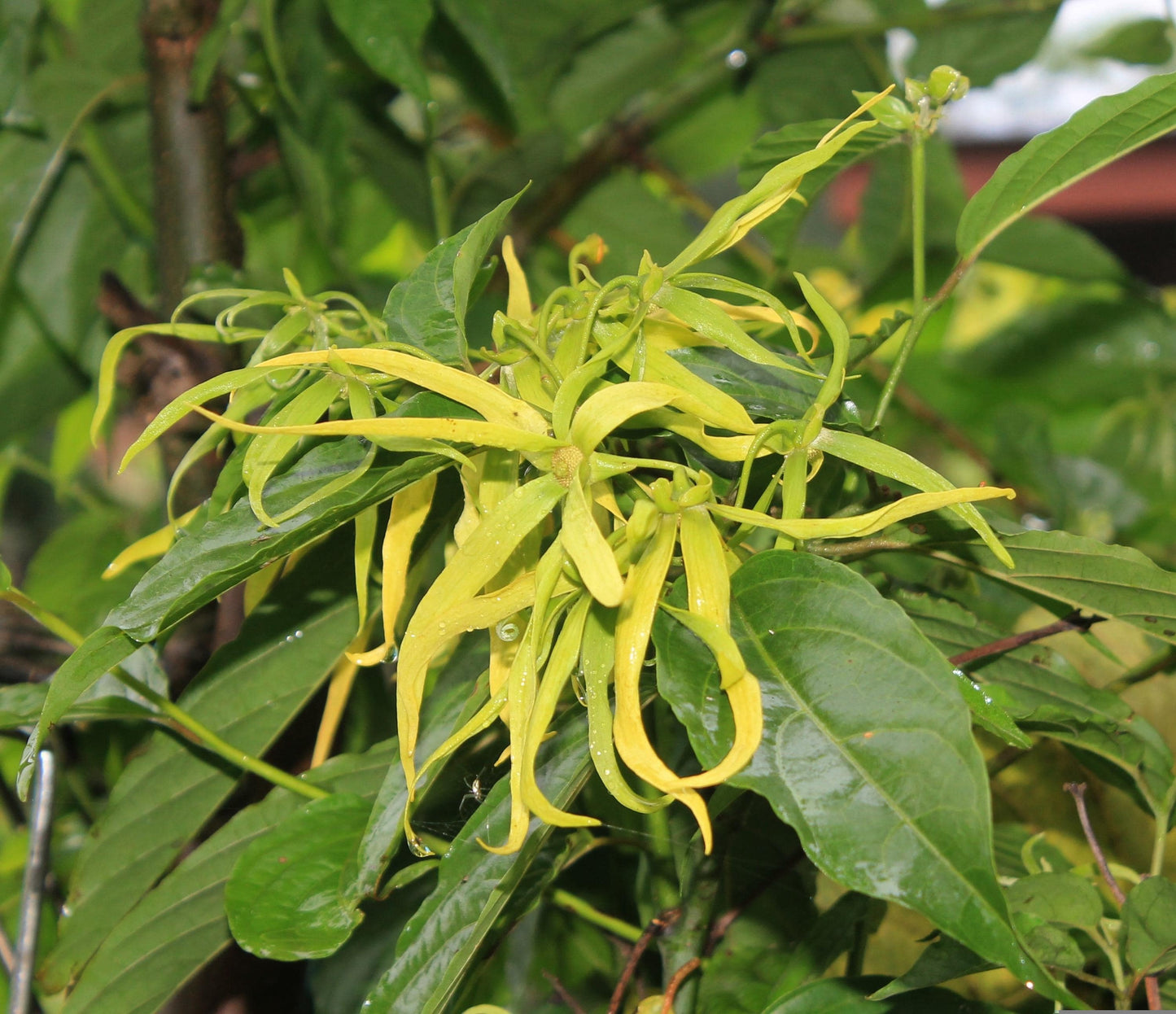
Ylang Ylang Category 3 Madagascar (Cananga Odorata) 5 ml essential oil
Ylang Ylang Category 3 Madagascar (Cananga Odorata) 5 ml essential oil
Couldn't load pickup availability
Madagascar Ylang-Ylang Essential Oil Category III
Origin: Madagascar
Botanical Name: Cananga odorata
Extraction Method: Fractionated steam distillation of fresh flowers.
Olfactory Description
Ylang-Ylang Category III corresponds to one of the deepest fractions obtained during the distillation of Cananga odorata flowers. Unlike the lighter and more floral early fractions, this category presents a warmer, denser, and more persistent profile.
Its aroma combines exotic floral notes with balsamic, spicy, and slightly woody undertones. The characteristic floral facet of ylang-ylang remains clearly recognizable, though accompanied by more mature and less volatile tones.
As it evolves on a blotter strip or skin, it develops creamy, slightly fruity nuances and a soft sensation reminiscent of warm petals, sweet spices, and aromatic woods.
Aromatic Evolution
- Top notes: intense, warm, and exotic floral.
- Heart notes: creamy, spicy, and slightly fruity.
- Base notes: balsamic, dark floral, and persistently woody.
Applications in Perfumery
Ylang-Ylang Category III is especially valued as a heart and base material in floral and oriental compositions.
It is useful in:
- Floral perfumes.
- Oriental compositions.
- Tropical accords.
- Classic perfumery.
- Amber fragrances.
- White flower accords.
It pairs particularly well with:
- Jasmine.
- Orange blossom.
- Champaca.
- Sandalwood.
- Vanilla.
- Benzoin.
- Frankincense.
- Vetiver.
- Patchouli.
- Oud.
Its aromatic richness allows it to add volume and depth to compositions without losing the characteristic floral identity of ylang-ylang.
Technical Observations
- Color: golden yellow to light amber.
- Consistency: fluid.
- Aromatic intensity: high.
- Diffusion: medium-high.
- Tenacity: high.
Late fractions of ylang-ylang are typically used to provide body and fixation to formulas, exhibiting significantly greater persistence than lighter categories.
Traditional Use
Ylang-ylang flowers have been used for centuries in perfumery and traditional ceremonies for their intense and exotic aroma. The deeper fractions of distillation are especially valued by perfumers seeking complexity, longevity, and floral richness in their creations.
Share